
The evolution of casinos tracing the history and cultural significance
 adminxi
The evolution of casinos tracing the history and cultural significance
The Origins of Gambling and Early Casinos
The history of casinos begins with the ancient practice of gambling, which has been part of human culture for millennia. Archaeological evidence suggests that games of chance were played in ancient civilizations such as Mesopotamia, China, and Egypt. In these societies, people often gambled on the outcomes of events, whether they be games, military confrontations, or even the roll of dice. In our times, there are also intriguing online platforms like The pokies net that offer an extensive array of choices, and these early forms of gambling set the foundation for what would eventually evolve into more structured venues where games and bets could be placed in a designated space.
The term “casino” itself originated in Italy, meaning a small house or villa, often associated with leisure activities. In the 17th century, the first true casino, the Ridotto, opened in Venice, Italy. It was designed to offer controlled gambling within a festive atmosphere, complete with entertainment and socializing, thus establishing a model for future gambling establishments. The Ridotto allowed participants to engage in games like card games and dice games, showcasing the social aspect of gambling that would persist through the ages.
As casinos began to emerge in Europe, they transformed from simple gaming houses to grand establishments. By the 18th century, France had adopted the casino concept, creating iconic venues in cities like Monte Carlo. These establishments attracted not only local gamblers but also aristocrats and wealthy tourists, further intertwining gambling with social prestige. This shift marked the beginning of casinos as cultural institutions, serving as places where societal norms regarding leisure and risk-taking could flourish.
The Expansion of Casinos in the 19th Century
The 19th century marked a significant period of expansion for casinos, particularly as gambling became popularized in the United States. The Gold Rush attracted a diverse group of people, many of whom sought their fortunes through gambling. Cities like San Francisco and New Orleans became hotspots for gambling establishments, where newly minted fortunes were wagered and lost. The introduction of poker and other card games also gained traction during this period, leading to the creation of dedicated gambling halls that catered to various preferences.
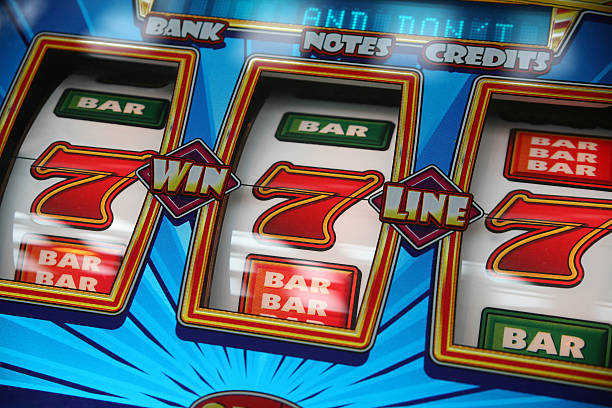
During this time, the invention of the slot machine in the late 1800s revolutionized the casino experience. Charles Fey’s Liberty Bell, the first mechanical slot machine, allowed players to gamble with minimal effort, making it appealing to a broader audience. This innovation marked a pivotal moment in casino history, as it transitioned from primarily card and table games to include machines that could operate independently. The slot machine became a staple in casinos, drawing in players with its enticing visual allure and the promise of quick wins.
By the end of the 19th century, casinos had become emblematic of leisure and indulgence. Governments began recognizing the potential economic benefits of legalized gambling, leading to the establishment of regulatory frameworks that would govern casino operations. This period laid the groundwork for the modern casino industry, highlighting the complex relationship between culture, legality, and risk in the realm of gambling.
The Cultural Significance of Casinos in the 20th Century
The 20th century brought about a cultural shift in the perception of casinos. With the rise of Hollywood, gambling became glamorized in films, which often portrayed casinos as settings for high-stakes drama and intrigue. Movies like “Casino Royale” and “Ocean’s Eleven” popularized the allure of casinos, further embedding them into the fabric of American culture. This cinematic representation helped to romanticize gambling, attracting individuals who aspired to the excitement and lavish lifestyle depicted on screen.
In addition to entertainment, casinos began to symbolize social status and wealth. High-roller lounges and exclusive gaming rooms emerged, catering to affluent players willing to bet large sums. This exclusivity reinforced the idea that casinos were not merely places of chance, but also venues for social networking, negotiations, and power dynamics. As casinos became destinations for luxury and opulence, they began to attract not just gamblers but tourists seeking experiences beyond the games themselves.
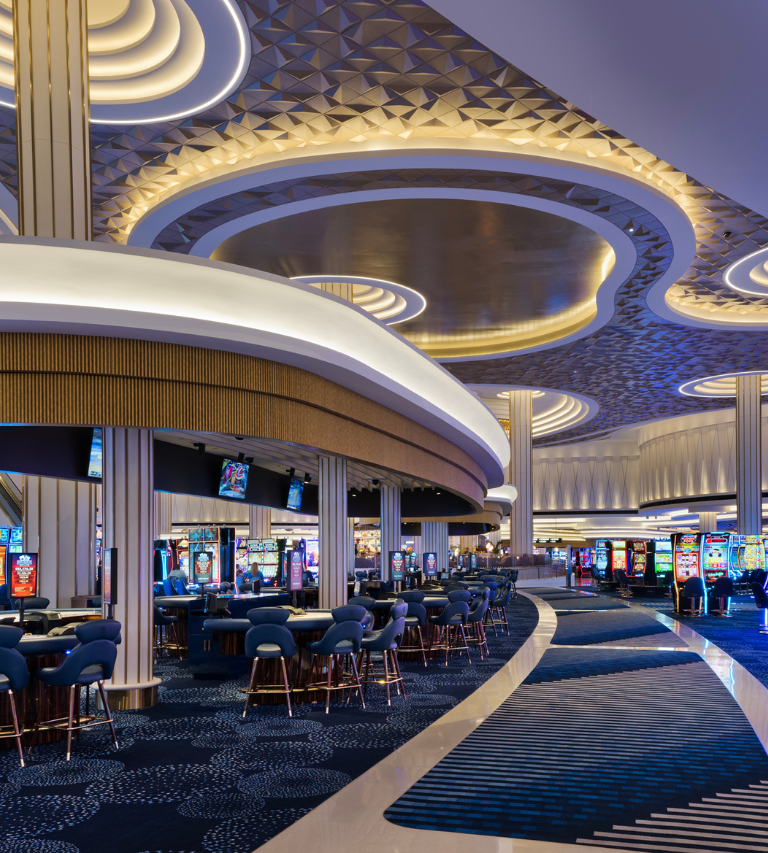
The regulatory landscape also evolved, with jurisdictions around the world enacting laws to manage the operations of casinos. Las Vegas became synonymous with the modern casino experience, showcasing extravagant resorts that combined gaming, dining, and entertainment. This trend of “integrated resorts” revolutionized the industry, allowing casinos to cater to a wider range of clientele, thereby reshaping the gambling landscape and its cultural significance in society.
The Rise of Online Casinos and Modern Gaming Culture
In the late 20th and early 21st centuries, technological advancements ushered in a new era for casinos with the rise of online gaming. The internet allowed players to access a multitude of games from the comfort of their homes, leading to the establishment of virtual casinos. This shift democratized gambling, making it accessible to a broader audience and challenging traditional brick-and-mortar establishments. Online casinos offered an extensive array of games, from classic slots to live dealer experiences, all at the click of a button.
The growth of mobile technology further propelled this trend, as players began accessing casinos via smartphones and tablets. This portability transformed gambling into a convenient pastime, enabling users to engage in gaming anytime and anywhere. As the online gaming industry flourished, regulatory bodies adapted to address concerns around fairness, security, and responsible gambling, ensuring a safe environment for players.
Additionally, the cultural perception of gambling has shifted dramatically. Online platforms have become social spaces, integrating features like live chat and multiplayer gaming. This evolution has fostered a sense of community among players, even in a virtual setting. The rise of esports betting and gamified experiences also highlights how modern technology continues to reshape the gambling landscape, further embedding casinos into the fabric of contemporary culture.
The Future of Casinos and Emerging Trends
The future of casinos appears poised for continual evolution, driven by advancements in technology and changes in consumer behavior. Innovations such as virtual reality (VR) and augmented reality (AR) are set to enhance the immersive experiences offered by casinos. By integrating these technologies, establishments can provide players with environments that mimic real-life interactions, elevating the online gaming experience to new heights.
Furthermore, as societal attitudes towards gambling continue to evolve, there is a growing emphasis on responsible gaming practices. Many casinos are implementing measures to promote player welfare, including self-exclusion tools, educational resources, and partnerships with mental health organizations. This commitment to responsible gaming underscores the need for casinos to adapt to changing perceptions while maintaining their cultural significance.
Moreover, the trend of gamification is reshaping the way casinos engage with players. By incorporating game mechanics into the gambling experience, casinos are enhancing player retention and creating more engaging environments. As these trends develop, the role of casinos within society will likely evolve, reflecting both the complexities of gambling and the broader cultural narratives surrounding risk, entertainment, and community.
ThePokies Net: A Modern Online Casino Experience
ThePokies Net is an exciting online casino experience tailored specifically for Australian players, showcasing the evolution of casinos in the digital age. Launched in 2026, this platform offers a diverse library of over 1,500 games, including pokies, table games, and live dealer options. The casino’s user-friendly design allows players to navigate easily, ensuring a seamless experience without the need for app downloads, which reflects the convenience that modern players seek.
Committed to player safety and fair play, ThePokies Net operates under a license from the Curaçao Gaming Commission, utilizing advanced security measures to protect user data. Players can take advantage of generous welcome bonuses and an exciting promotions calendar, enhancing their overall gaming experience. The loyalty program further rewards users, fostering a sense of community and engagement that modern online casinos strive to create.
ThePokies Net exemplifies the cultural significance of casinos today, combining traditional gaming experiences with modern technology and community-building elements. As the landscape of gambling continues to evolve, platforms like ThePokies Net reflect the diverse needs and preferences of contemporary players, shaping the future of casinos in Australia and beyond.