
Can luck really dictate your success at the slots?
-
by
adminxi
Understanding the Role of Luck in Gambling
When it comes to games of chance, such as slots, luck is often seen as the primary factor determining success. Players step up to the machines with the hope that fortune will favor them, believing that a lucky spin can lead to a significant payout. But what exactly does luck mean in the context of gambling? Essentially, it refers to the unpredictable nature of outcomes in games where skill plays a minimal role. Unlike strategic games such as poker, where skill and experience can influence the game, slots depend heavily on random number generators, which makes luck the primary determiner of success. For more insights into the world of gaming, check out aussieenfields.com for expert tips and strategies.
The allure of luck in gambling draws many to the casino floor. For many players, the thrill lies not just in winning but also in the possibility of hitting a jackpot. This excitement can be intoxicating, as every spin offers the potential for life-changing amounts of money. However, it’s essential to recognize that luck can be fleeting. Just because a player wins big one day does not guarantee the same outcome in subsequent visits, illustrating the unpredictable nature of luck.
Moreover, the perception of luck can vary significantly between players. Some may attribute their wins to fortunate circumstances, while others might consider their losses as a result of bad luck. This subjective interpretation can impact how individuals approach gambling. Understanding that luck is a double-edged sword—providing both highs and lows—can help players maintain a balanced perspective while enjoying their gaming experience.
The Mechanics of Slot Machines
Slot machines operate on a principle of randomness, driven by complex algorithms known as random number generators (RNGs). These RNGs ensure that every spin is independent of the previous one, meaning that hitting a jackpot is purely a matter of chance. Players often assume that certain machines are “hot” or “cold,” believing that previous outcomes influence future results. However, this belief is a common misconception, as each spin is determined by the RNG, negating any patterns that players might perceive.
Another aspect to consider is the payout percentage, commonly referred to as return to player (RTP). This percentage indicates how much money a slot machine returns to players over time and can vary significantly between different machines. A higher RTP means better odds for players, while a lower RTP suggests that the house has a greater edge. While these statistics may provide insights into potential returns, they still do not guarantee wins, as luck remains the ultimate deciding factor.

It’s also important for players to understand the volatility of slot machines. High-volatility games may offer bigger payouts but come with the risk of longer losing streaks, while low-volatility machines usually yield smaller, more frequent wins. This variability allows players to choose machines that align with their risk tolerance and gaming preferences, but luck will always play a crucial role in determining the final outcome, regardless of the machine’s characteristics.
The Psychological Aspect of Luck
The belief in luck is deeply ingrained in human psychology. Gamblers often exhibit cognitive biases that influence their perception of luck. For instance, they may remember wins more vividly than losses, leading to an inflated sense of their luckiness. This phenomenon, known as the “gambler’s fallacy,” suggests that players can become overly confident, believing that their luck will change or that they are due for a win. Such mindsets can lead to increased gambling activity, often resulting in losses.
Another psychological factor is the concept of “near-misses.” Many slot machines incorporate features that provide players with the sensation of almost winning, making them feel closer to success. This can create a false sense of luck and encourage players to continue spinning, even when their bankroll is dwindling. This cycle reinforces the belief that luck is just around the corner, prompting gamblers to chase their losses instead of recognizing when to stop.
Furthermore, the social aspect of gambling can amplify the role of luck. Players often share their experiences and stories of big wins, creating an environment where luck seems more attainable. Hearing tales of success can inspire others to believe that they, too, can achieve similar results. However, this collective narrative can obscure the reality that, in the end, luck is unpredictable and that responsible gambling should always take precedence over the allure of potential wins.
Strategies to Navigate Luck and Slots
While luck remains an undeniable factor in slot gaming, players can adopt strategies to enhance their overall experience. One approach is to set a budget before beginning play and strictly adhere to it. This practice not only helps manage finances, but it also reduces the psychological pressure that often accompanies the hope of winning big. By establishing clear limits, players can enjoy the game without risking more than they can afford to lose.
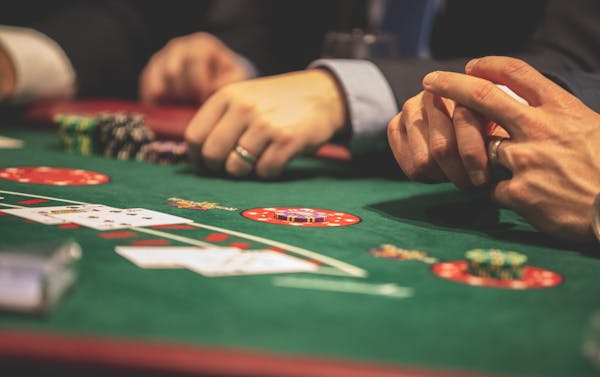
Additionally, familiarizing oneself with different slot machines can lead to more informed choices. Understanding the RTP and volatility of various games allows players to select machines that best fit their risk preferences. Choosing games that align with their personal style can enhance enjoyment and potentially lead to better outcomes, even though luck ultimately dictates the results.
Finally, taking breaks during gameplay can provide a moment to reassess strategies and maintain a clear mindset. This practice can prevent emotional decision-making that results from the highs and lows of gambling. A refreshed perspective can lead to smarter play and increased enjoyment, allowing players to appreciate the experience for what it is—a game of chance influenced by luck.
Exploring More About Slots and Luck
For those interested in delving deeper into the fascinating world of slot machines and the nuances of luck, there is a wealth of resources available. Understanding the interplay between luck and strategy can greatly enhance the gaming experience. Knowledge about different types of slots, such as progressive, classic, and video slots, can also be beneficial. Each type offers unique gameplay and winning potential, which can attract different types of players.
Moreover, online platforms provide a multitude of information on the best practices for playing slots, including tips for managing bankrolls and recognizing when to take a break. Engaging with these resources can equip players with valuable insights, making them more informed participants in their gameplay. Exploring forums and communities can also provide a supportive space for sharing experiences and personal strategies.
Ultimately, the journey of playing slots is about enjoying the thrill while understanding the role that luck plays. By combining knowledge with a respectful approach to gambling, players can fully enjoy the unpredictability of slots and embrace whatever outcomes come their way. Knowledge, awareness, and a sense of fun can enrich the experience, reminding everyone that, at its core, gambling should be an enjoyable activity rather than a source of stress.